| HS-Railway viaducts over Sázava & Sázavka rivers | |
| Světlá nad Sázavou, Czech Republic | |
| Typologie | Tender Design |
| Date | 2025 |
| Mission | Tender design |
| Client | Administración de Ferrocarriles de la República Checa |
| Design | Fhecor |
| Collaboration | Rusina Frei Architects |
| Maîtrise d'ouvrage | Správa železnic |
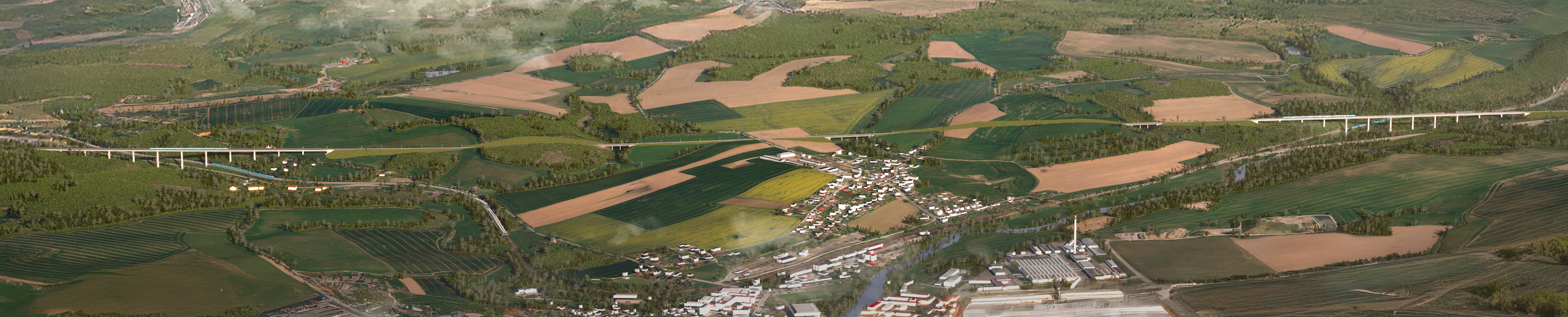
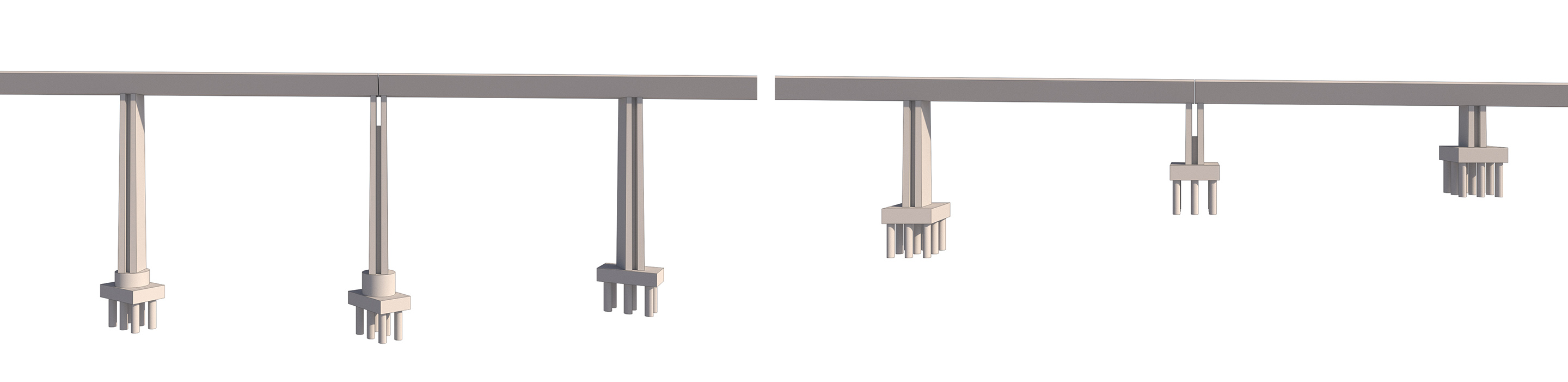
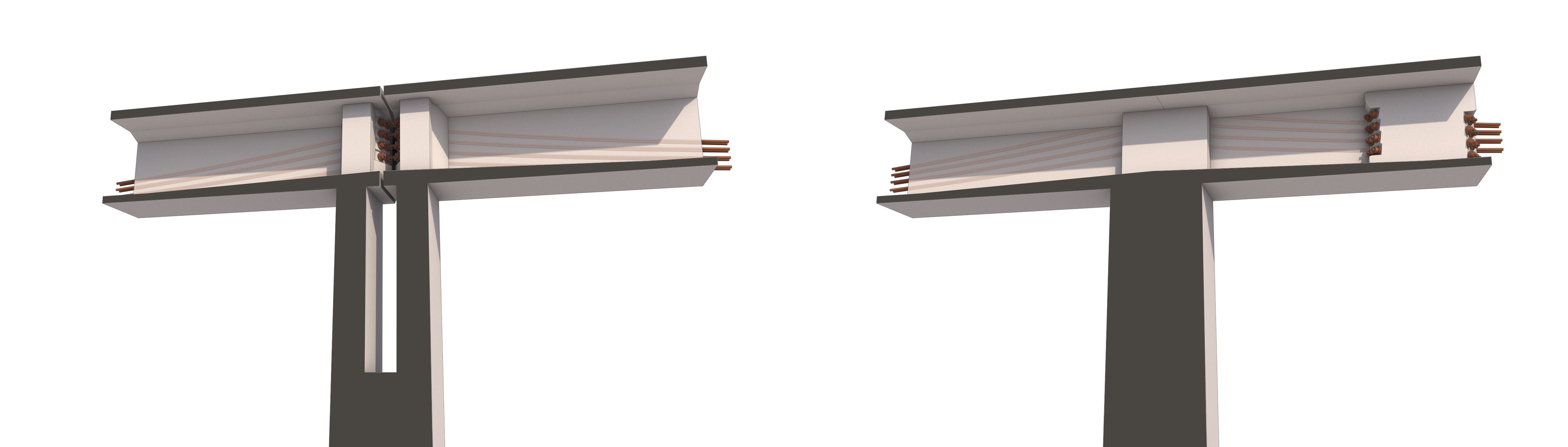
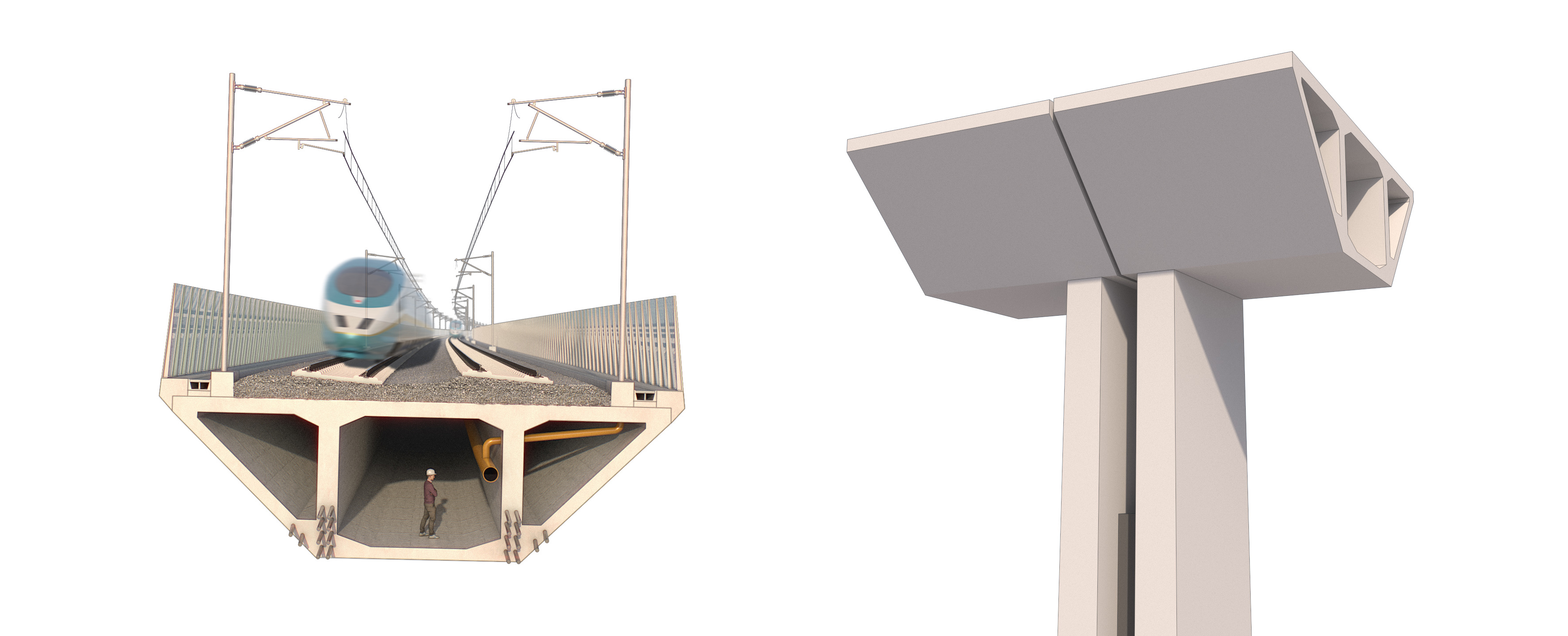
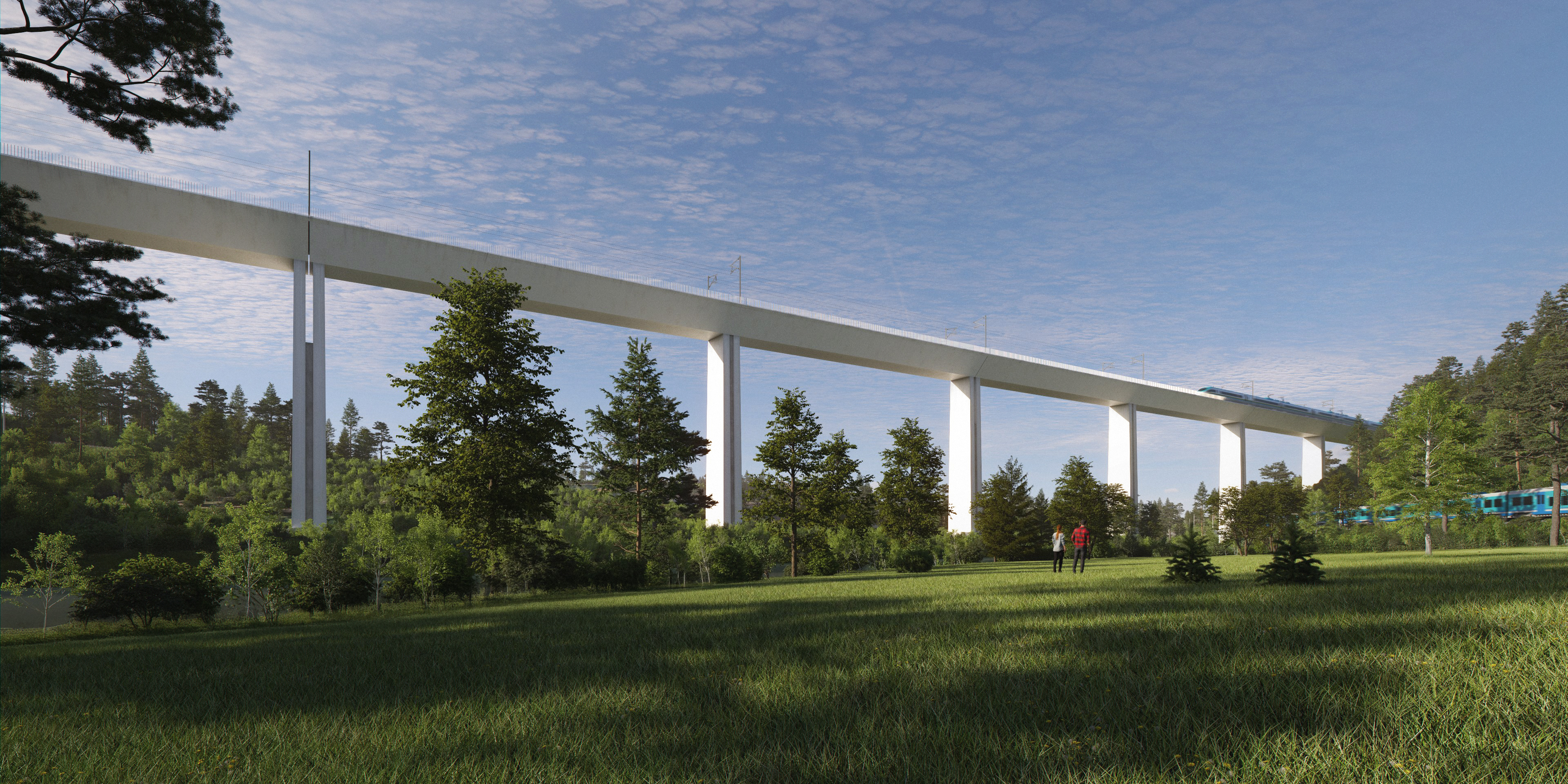
The solution considered to best suit the site conditions and the requirements of the tender is a constant-depth prestressed concrete beam supported on reinforced concrete piers. This is a classical approach—a multi-span bridge design—that has been employed since the earliest days of railway construction, particularly when crossing U-shaped valleys.
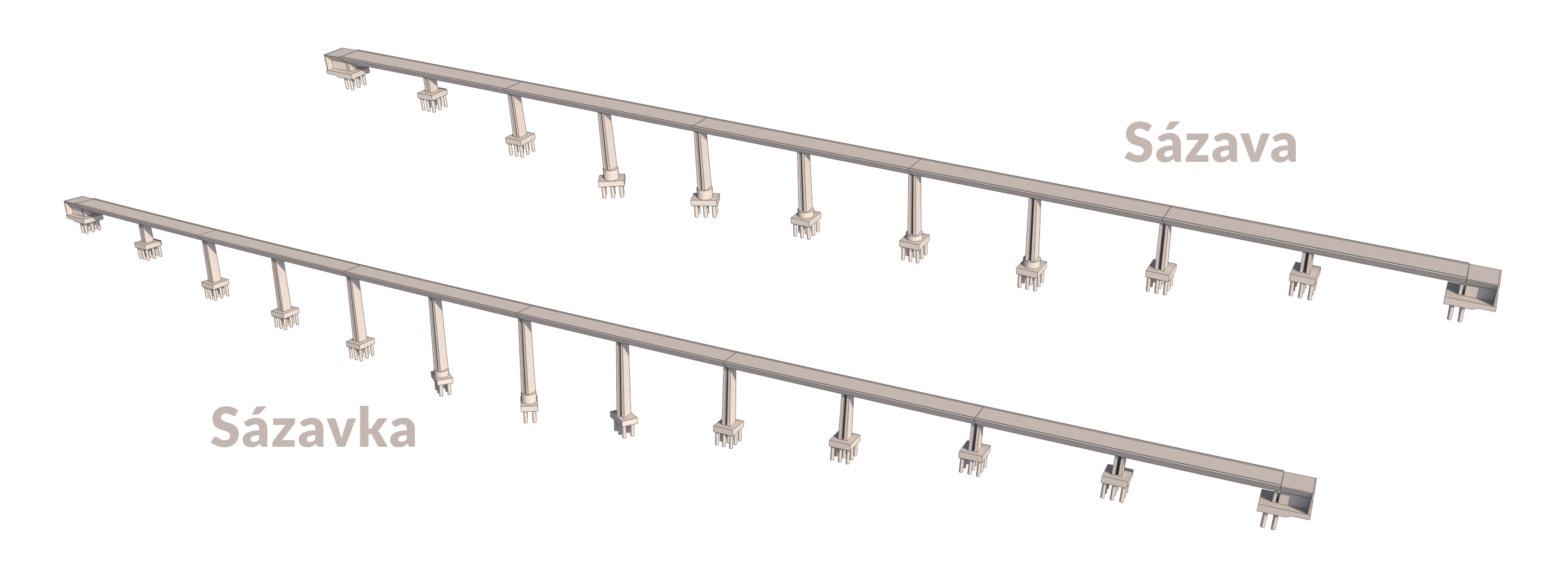
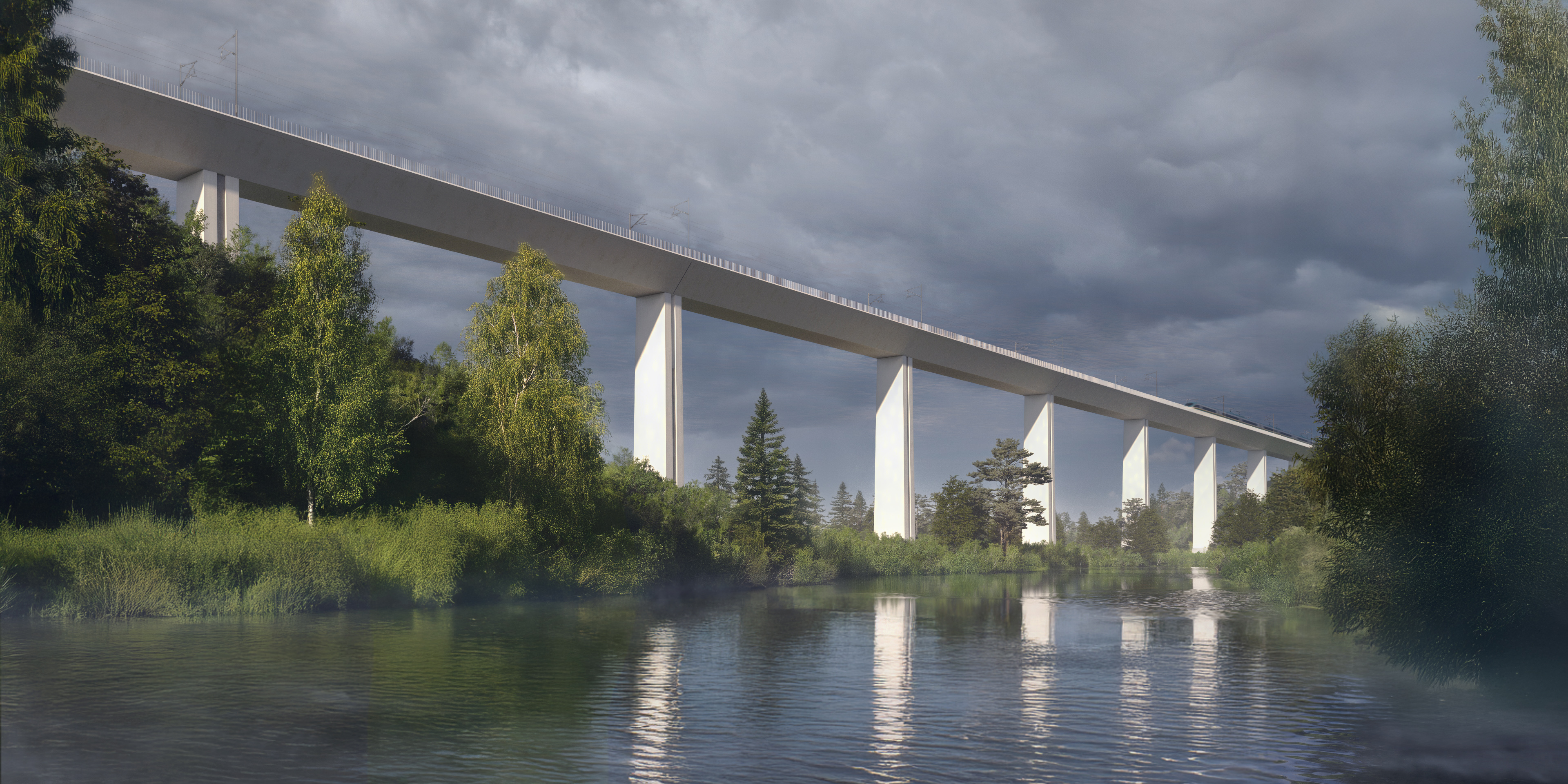
For both viaducts, the deck, consisting of a straight beam (580m-long for Sázava viaduct, 696m-long for Sázavka viaduct) and a uniform depth, is supported by evenly spaced piers at 58m intervals (10 spans for Sávava viaduct, 12 spans for Sázavka viaduct), ensuring an effective static response of the structure.
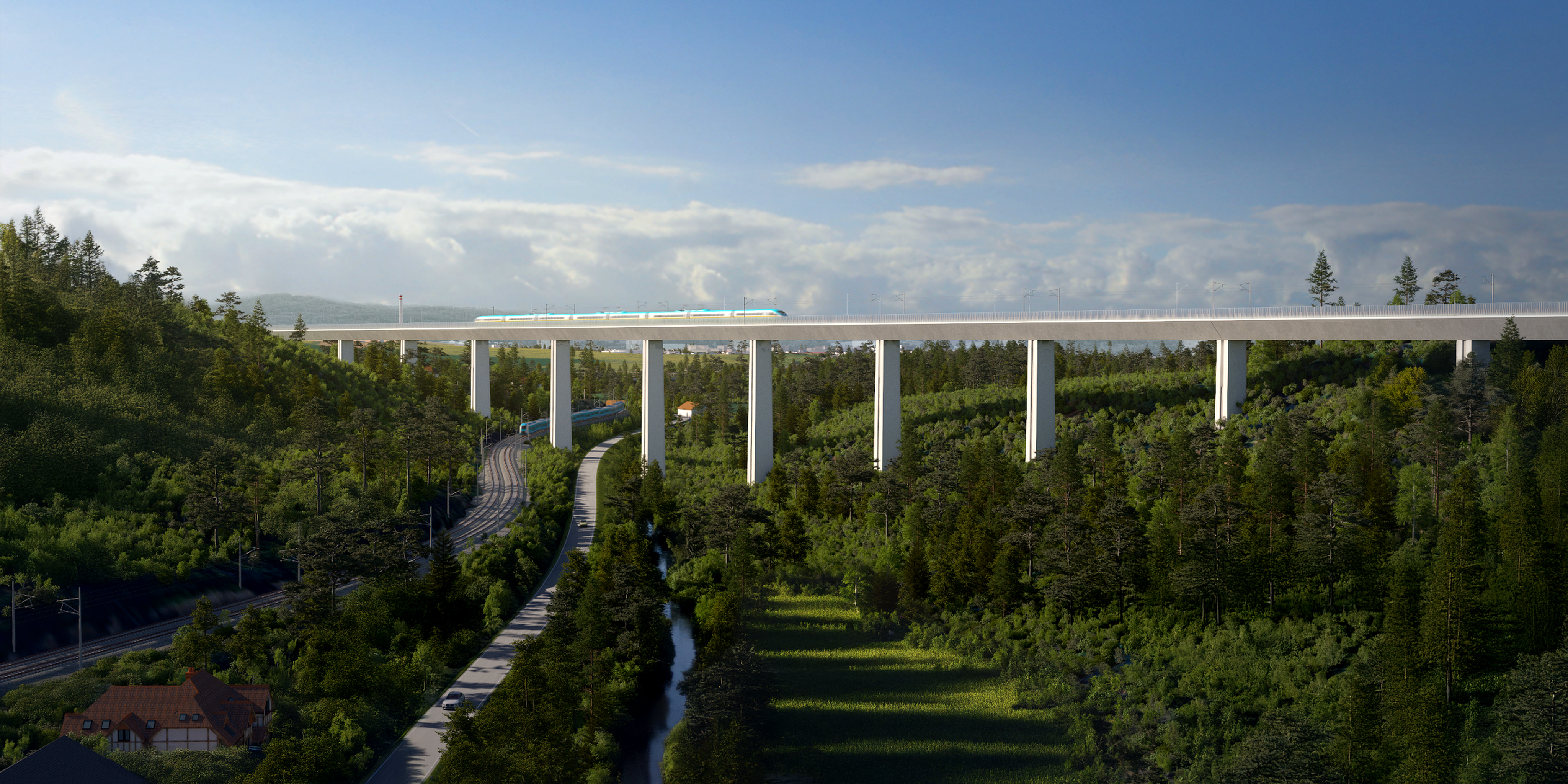
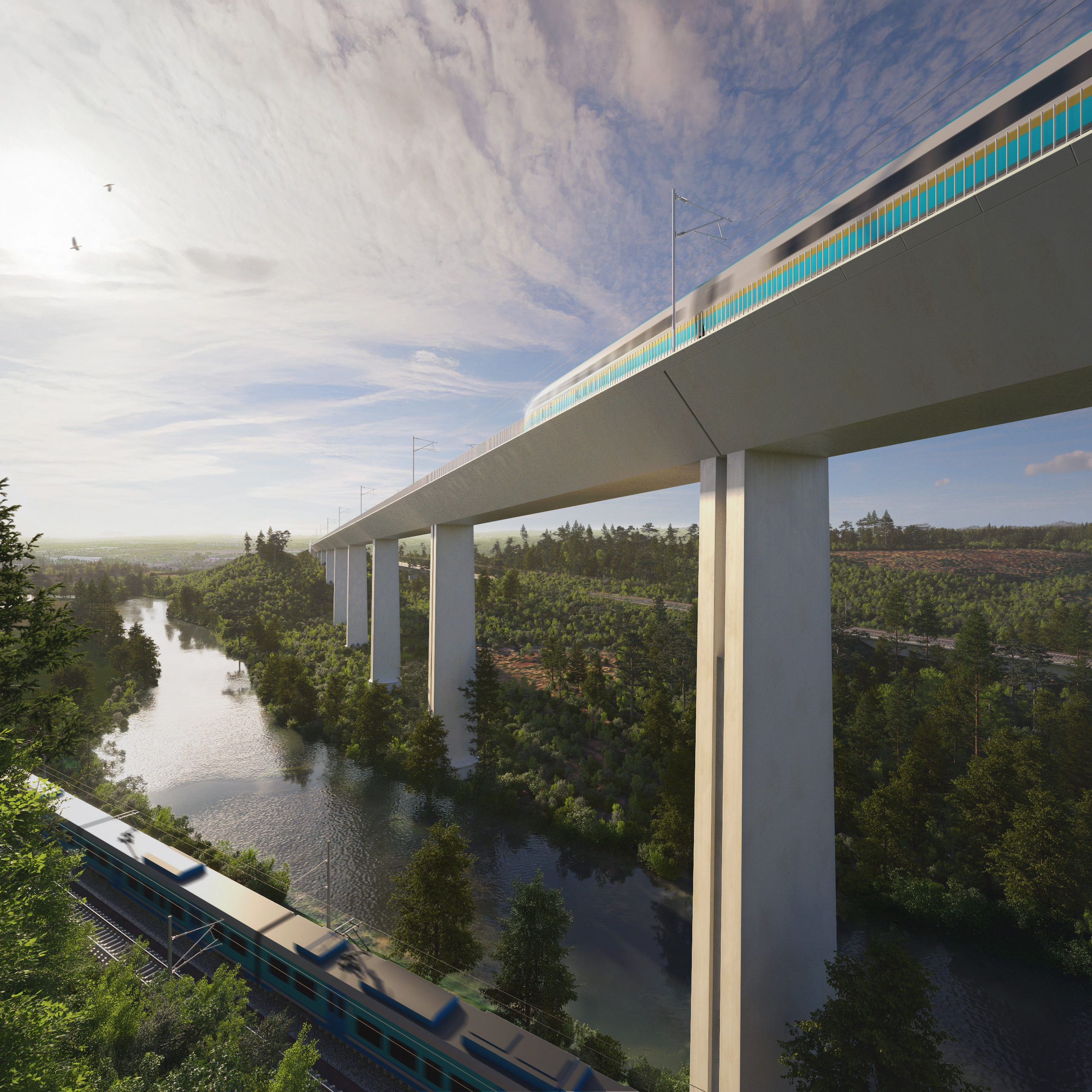
This design spans both the river and the existing railway line (Sázava viaduct) and also a road in case of Sázavka viaduct, while naturally adapting to the geometry of the valley floor and surrounding slopes.
The solution aligns well with both the horizontal and vertical geometry of the route, featuring a gentle horizontal curve and a concave vertical profile—both characteristic of high-speed rail infrastructure.
From an aesthetic and compositional perspective, the viaduct is immediately recognizable as a railway structure. The span length (58m) is proportionate to the height of the tallest piers (37m), evoking the classic elegance of historic railway viaducts.
For both viaducts, the deck, consisting of a straight beam (580m-long for Sázava viaduct, 696m-long for Sázavka viaduct) and a uniform depth, is supported by evenly spaced piers at 58m intervals (10 spans for Sávava viaduct, 12 spans for Sázavka viaduct), ensuring an effective static response of the structure.
This design spans both the river and the existing railway line (Sázava viaduct) and also a road in case of Sázavka viaduct, while naturally adapting to the geometry of the valley floor and surrounding slopes.
The solution aligns well with both the horizontal and vertical geometry of the route, featuring a gentle horizontal curve and a concave vertical profile—both characteristic of high-speed rail infrastructure.
From an aesthetic and compositional perspective, the viaduct is immediately recognizable as a railway structure. The span length (58m) is proportionate to the height of the tallest piers (37m), evoking the classic elegance of historic railway viaducts.